
Why Are My Teeth Sensitive? Common Causes and Fixes
Why Are My Teeth Sensitive
Tooth sensitivity to hot, cold, or sweets can have several causes. Learn what's behind it and how to find relief.
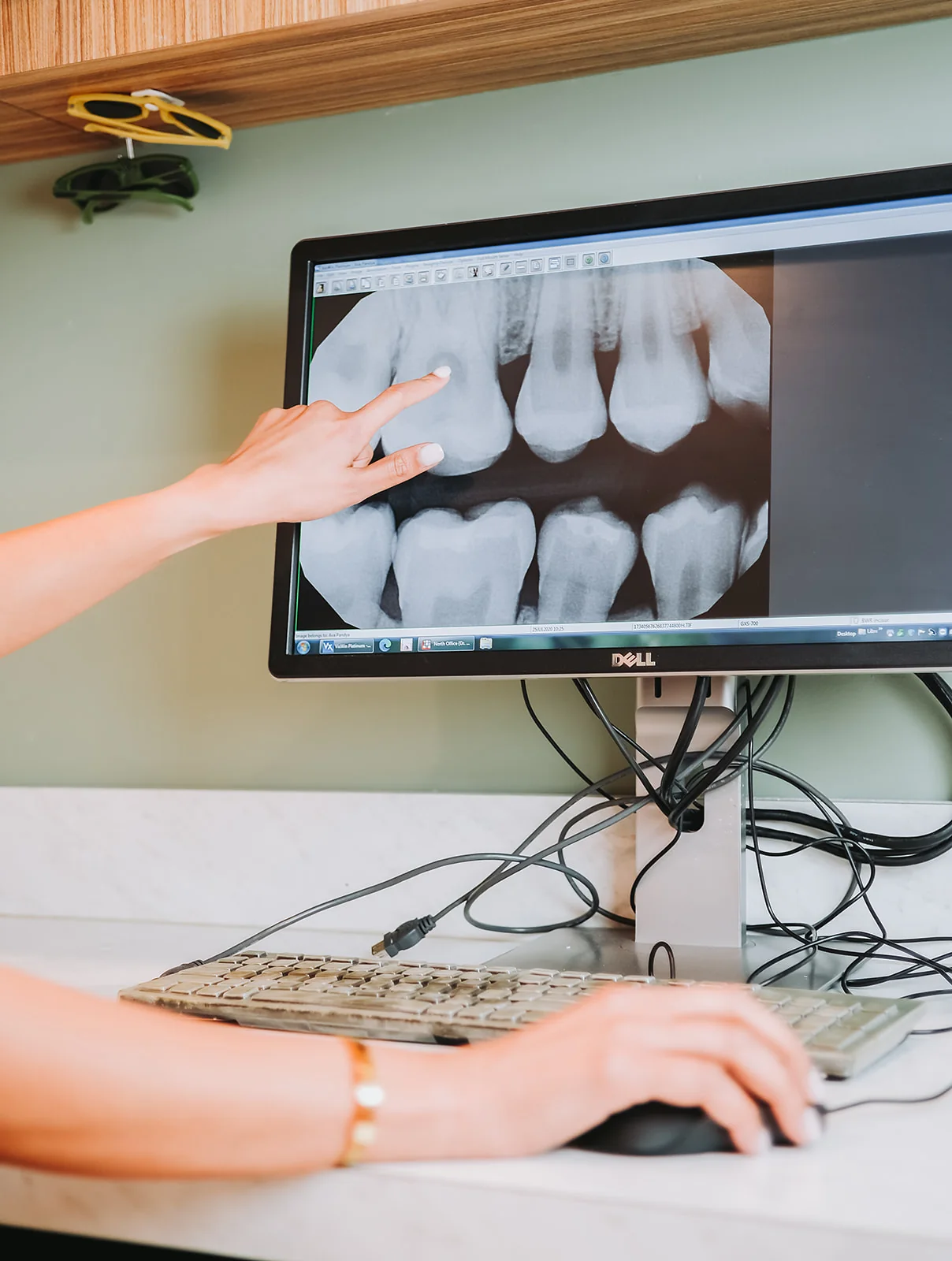
That sharp, sudden zing when you sip something cold or bite into ice cream is a familiar feeling for a lot of people but it's not something you have to just live with. Here's what typically causes tooth sensitivity, and what can be done about it.
What Causes Tooth Sensitivity?
- Worn Enamel
That protective outer layer of your teeth can wear down over time from brushing too hard, acidic foods and drinks, or teeth grinding that exposes the more sensitive layer underneath (dentin).
- Gum Recession
When gum recedes, the root surfaces of your teeth become exposed. Roots don't have the same protective enamel as the crown of the tooth, making them much more sensitive to temperature and pressure.
- Cavities
Untreated decay can expose inner layers of the tooth, causing sensitivity that's often localized to one specific tooth.
- Cracked Teeth
Small cracks, even just ones not visible to the eye, can let temperature and pressure reach the nerve inside the tooth.
- Teeth grinding (Bruxism)
Grinding wears down enamel over time and can cause generalized sensitivity across multiple teeth.
- Recent Dental Work
Sensitivity after a filling, crown, or whitening treatment is common and usually temporary, resolving within a few days to a couple of weeks.
- Teeth Whitening
Whitening treatments can cause temporary sensitivity as the whitening agent temporarily affects the tooth's outer layer. This typically fades shortly after treatment.
- Acidic Foods and Drinks
Frequent exposure to citrus, soda, wine, and other acidic foods can gradually erode enamel, increasing sensitivity over time.
How to Find Relief
- Switch to a sensitivity toothpaste, which contains ingredients that help block pain signals from reaching the nerve.
- Use a soft-bristled toothbrush and avoid aggressive brushing
- Cut back on acidic foods and drinks, or rinse with water afterward
- Wear a night guard if grinding is contributing to your sensitivity
- Avoid whitening products temporarily if sensitivity is linked to a recent whitening treatment
When to See a Dentist
Ocasional mild sensitivity is common, but you should schedule a visit if:
- Sensitivity is localized to one specific tooth
- Pain is sharp, severe, or lingers after the trigger is removed
- You notice visible gum recession or a cracked tooth
- Sensitivity has developed suddenly or is getting worse
Persistent or worsening sensitivity often points to an underlying issue like a cavity, crack, or advancing gum recession that needs treatment rather than just a change in toothpaste.
Get to the Root of Your Sensitivity
Tooth sensitivity is your body's way of flagging that something's changed with your enamel, gums, or a specific tooth. An exam can pinpoint the exact cause and the right fix.