
What Is a Deep Cleaning (Scaling and Root Planing)
What Is a Deep Cleaning
Told you need a deep cleaning? Here's what scaling and root planing involves, why it's recommended, and what to expect during recovery.
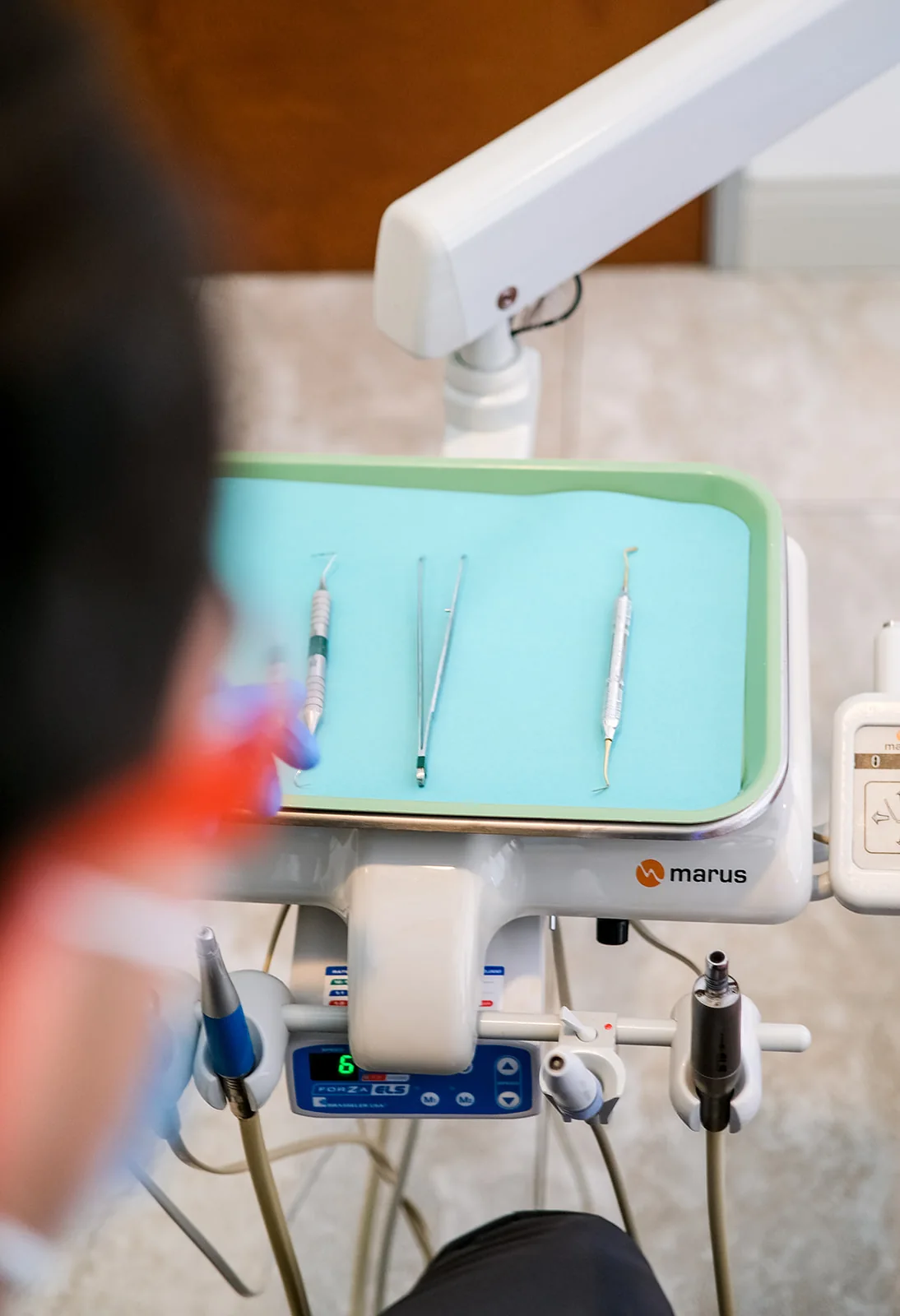
If youre dentist has recommended a "deep cleaning," it's natural to wonder how it's different from your usual six-month cleaning. Here's what the procedure actually involves, why it's recommeded, and what to expect.
Deep Cleaning vs. Regular Cleaning
A regular cleaning (prophylaxis) removes plaque and tartar from the visible surfaces of your teeth, above the gumline. It's designed for patients with generally healthy gums.
A deep cleanings, also called scaling and root planing, goes further. Removing plaque and tartar buildup below the gumline, along the tooth roots. It's recommended when gum disease has progressed beyond what a routine cleaning can address.
Why Would You Need One?
Deep cleanings are typically recommeded when your dentist or hygienist finds:
- Gum pockets deeper than 4mm (measured during your exam), which indicate gum tissue has pulled away from the tooth
- Visible tartar buildup below the gumline
- Bleeding, swollen, or receding gums
- Signs of early to moderate periodontitis (gum diseasethat has begund affecting the bone and tissue supporting your teeth)
Left untreated, this buildup allows bacteria to continue damaging the structures that hold your teeth in place, which can eventually lead to tooth loss.
What Happens During the Procedure
- Scaling - tartar and plaque are carefully removed from below the gumline and along the tooth root.
- Root planing - the root surface is smoothed, making it harder for bacteria to reattach and easier for gums to reattache to the tooth
- Local anesthesia - often used to keep you comfortable, since the treatment goes deeper than a standard cleaning
- Multiple visits - deep cleanings are often done in two visits (one for each side of the mouth), rather than all at once
What to Expect Afterward
- Mild soreness or sensitivity for a day or two is common
- Some gums may feel tender to touch or to temperature
- Over-the-counter pain relief and a soft-food diet for a day or two can help
- A follow-up visit is typically scheduled 4-6 weeks later to check healing and pocket depth
Will I Need More Than One Deep Cleaning?
Most patients only need one round of scaling and root planing, followed by more frequent maintenance cleanings (often every 3-4 months instead of the standard 6) to keep gum disease from returning.
Why It's Worth Doing
Deep cleanings are one of the most effective ways to stop gum disease from processing and protect the bone and tissue supporting your teeth and often prevent much more invasive (and costly) treatment down the road.
Think You Might Need a Deep Cleaning?
If your gums bleed easily, feel tender, or you've been told you have pocket depths beyond normal range, it's worth getting evaluated.