
Lost a Filling or Crown? Here's What to Do Right Away
Lost a Filling or Crown?
Lost a filling or crown? Here's what to do immediately, how to protect the tooth, and when to see a dentist to prevent further damage.
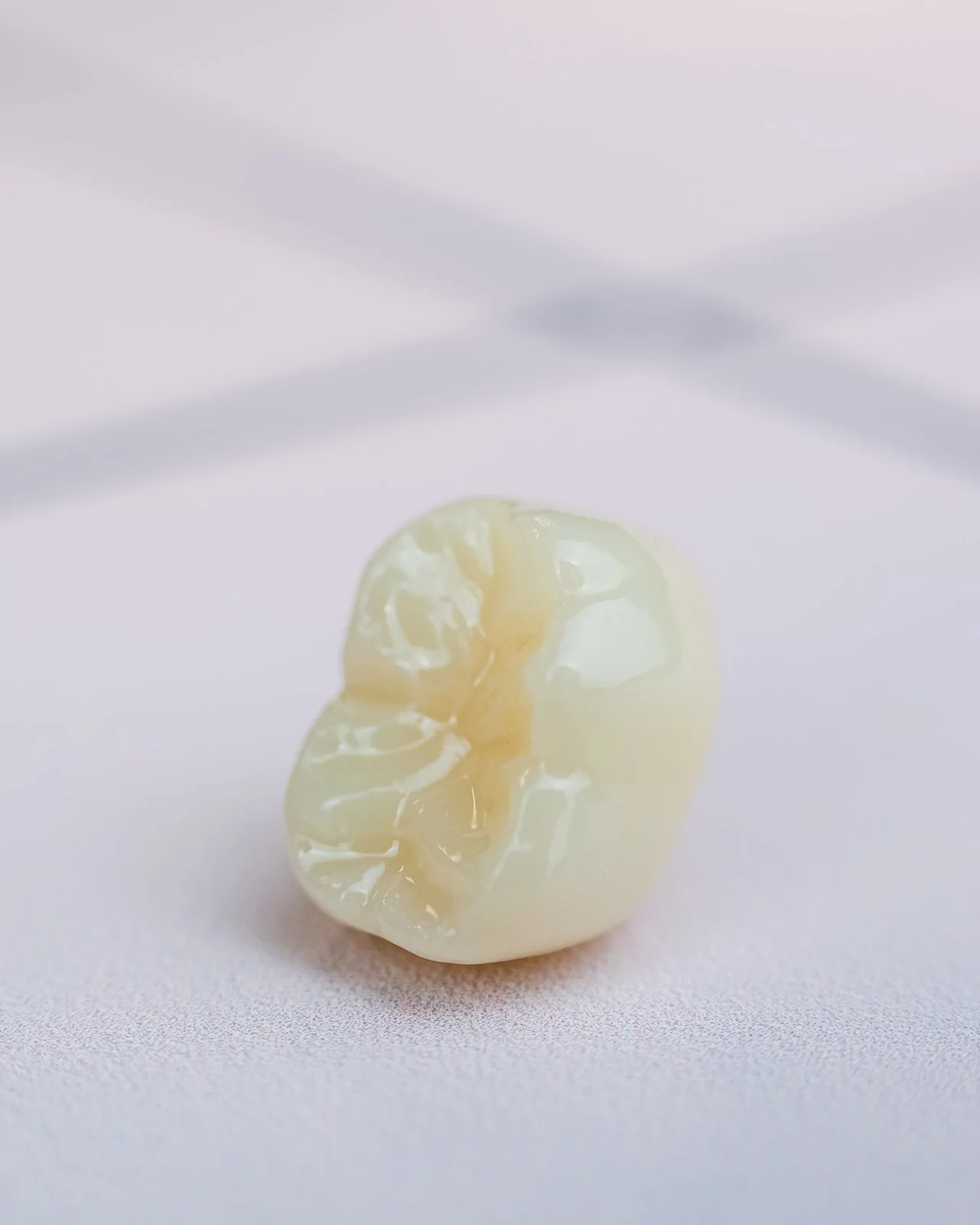
Feeling a filling or crown come loose or worse, finding it in your food can be alarming. The good news is that it's a common dental issue, and knowing what to do at the moment can prevent bigger problems while you get to your dentist.
Why Filling and Crowns Come Loose
- Normal wear and tear over years of chewing
- Decay developing underneath the restoration, undermining its support
- Chewing something hard, like ice, hard candy, or popcorn kernels
- An old restoration reaching the end of its lifespan
- Teeth grinding, which puts extra pressure on dental work over time
What to Do Immediately
- Stay calm. A lost filling or crown is rarely a true emergency, but it does not prompt attention
- Save the piece if you can find it; your dentist may be able to re-cement it depending on its condition
- Rinse your mouth gently with warm water to clear away any debris
- Avoid chewing on that side of your mouth to protect the exposed tooth
- Cover a sharp or rough edge with sugar-free gum or dental wax if it's irritating your tongue or cheek (never use super glue or household adhesives)
- Manage sensitivity with over-the-counter pain relief if needed because exposed tooth structure is often sensitive to hot, cold, and pressure
- Call your dentist as soon as possible to schedule a repair
What NOT to Do
- Don't try to re-glue a crown yourself with household adhesive because this can trap bacteria against the tooth and cause further damage
- Don't ignore it, even if it's not painful because the exposed tooth is more vulnerable to decay an further breakage without its protective covering
- Don't chew gum or sticky foods on that side, which can pull at the area or dislodge things further
What Happens at the Dentist
Depending on the situation, your dentist may:
- Re-cement the original crown or filling, if it's still in good condition
- Replace the restoration with a new filling or crown if the original can't be reused
- Treat any decay discovered underneath the restoration
- Recommend a root canal, in rare cases, if the tooth's nerve has been affected
How Urgent Is It, Really?
While it's not usually a true emergency, you should call your dentist promptly if you experience:
- significant pain
- Sensitivity that doesn't improve
- A visible hole or dark spot on the tooth
- Any signs of infection (swelling, fever, bad taste)
The sooner it's addressed, the less likely you are to need more extensive treatment.
Don't Wait to Get It Fixed
An exposed tooth is mor vulnerable ever day it goes untreated. Getting it addressed quickly is the best way to protect your natural tooth structure.